Resilience Engineering
Resilience Takes Hold
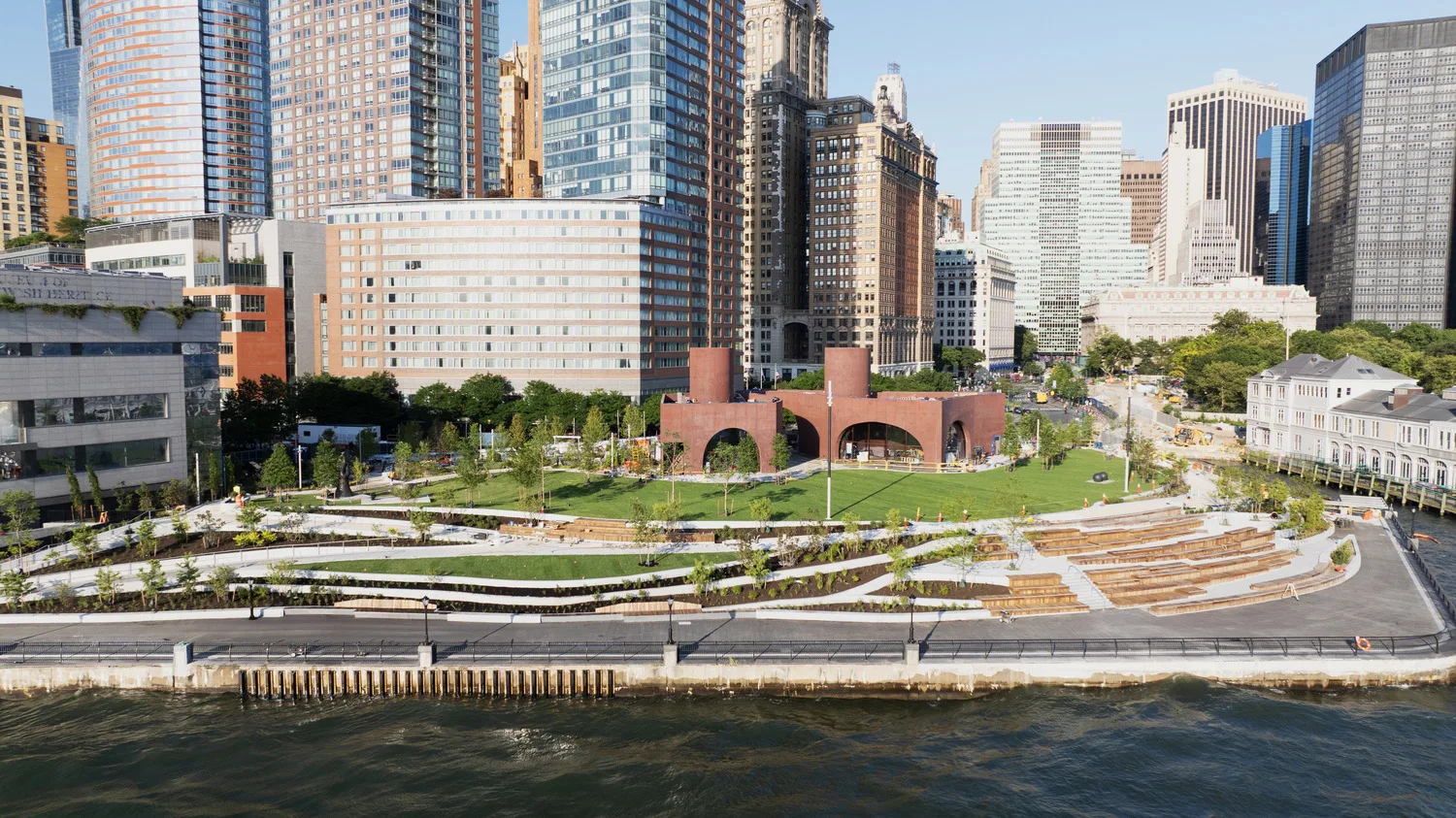
After Hurricane Sandy flooded Lower Manhattan in 2012, a federal design challenge, Rebuild by Design, reframed resilience as an integrated, community-centered mandate. The winning concept, “The Big U,” envisioned a ribbon of projects circling the tip of the island to keep water out and daily life protected through a series of interventions such as flood walls, deployable elements, and raised topography. Battery Park City, encompassing 92 acres on the southwest side of Manhattan, forms a key part of that protective ribbon.
Heritage Reimagined and Protected
Wagner Park, a much-loved gathering space on the southern end of Battery Park City, reopened in July 2025 with a future-forward landscape that still feels unmistakably like the community it serves. MKA’s Civil team played a critical role integrating the flood-defense infrastructure into the site’s civil and landscape designs. The result is a beautiful park and world-class public space designed to withstand 2050 sea-level rise projections and a 100-year storm event while protecting the park’s pavilion and Lower Manhattan beyond.
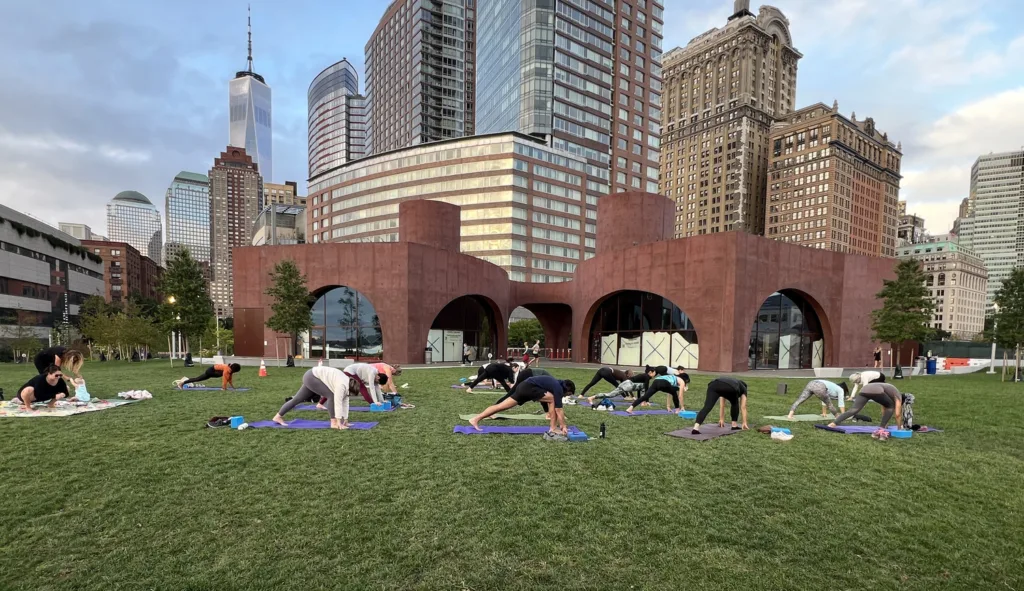
(Image: MKA)
On the “wet side,” the system filters stormwater before storing and slowly releasing it to the Hudson River. On the “dry side,” a sustainable water management system treats, harvests, and reuses rain to reduce the project’s reliance on potable water. At Wagner Park, beauty and function now share the same footprint with visitor-friendly details that honor the park’s past while preparing for the climate challenges ahead.
Flood-Defense + Sustainable Water Management at Wagner Park:

Coast-to-Coast Resilience Engineering
A leader in sustainable site design for decades, MKA was perfectly positioned to guide the resiliency efforts at Wagner Park by creating outdoor spaces that resist, absorb, and respond to a changing climate without sacrificing natural beauty and community appeal. MKA’s Civil team specializes in bringing the architectural vision to life by skillfully integrating civil engineering elements in a visually appealing manner, leveraging nature-based solutions to reduce cost and positively impact the environment, and incorporating the quiet details that make resilience work reliably.
MKA’s civil engineers are furthering similar efforts in New Jersey, Utah, Texas, and California, helping communities prepare and protect themselves against the next flood, fire, drought, or surge.
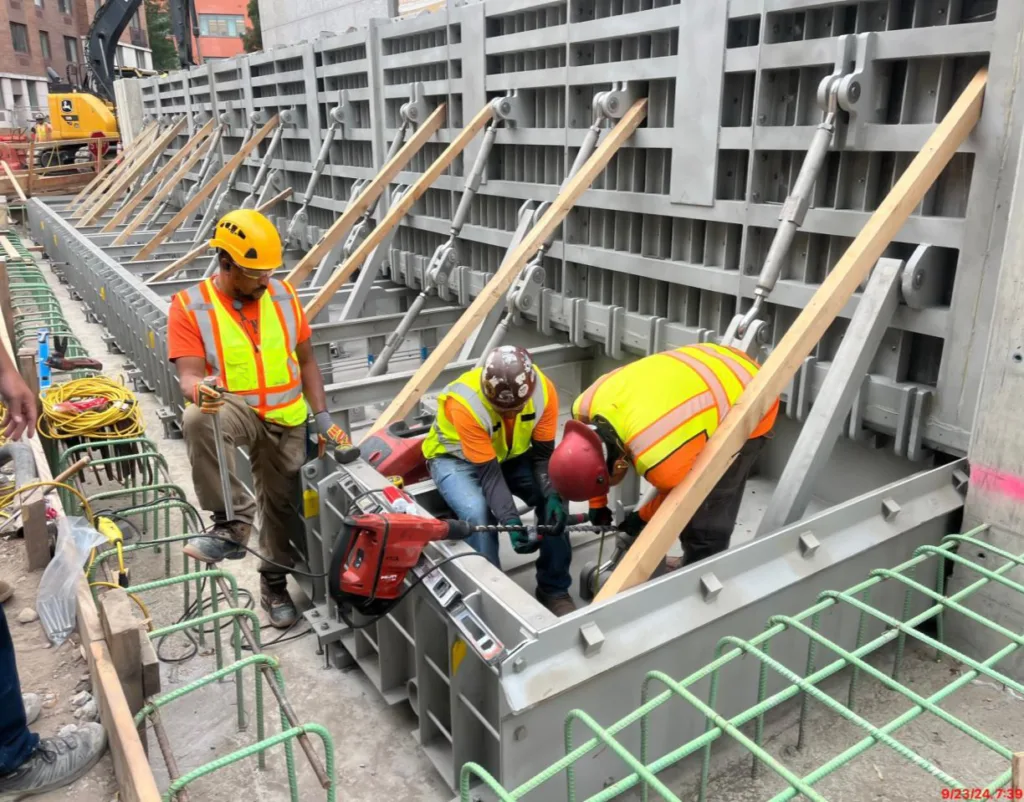
(Image: AECOM)
Ready to Design Resilience Into Your Project?
Contact Matt Jones, MKA’s Civil Practice Leader, to explore how climate-adaptive design can protect your community and enhance public space.